
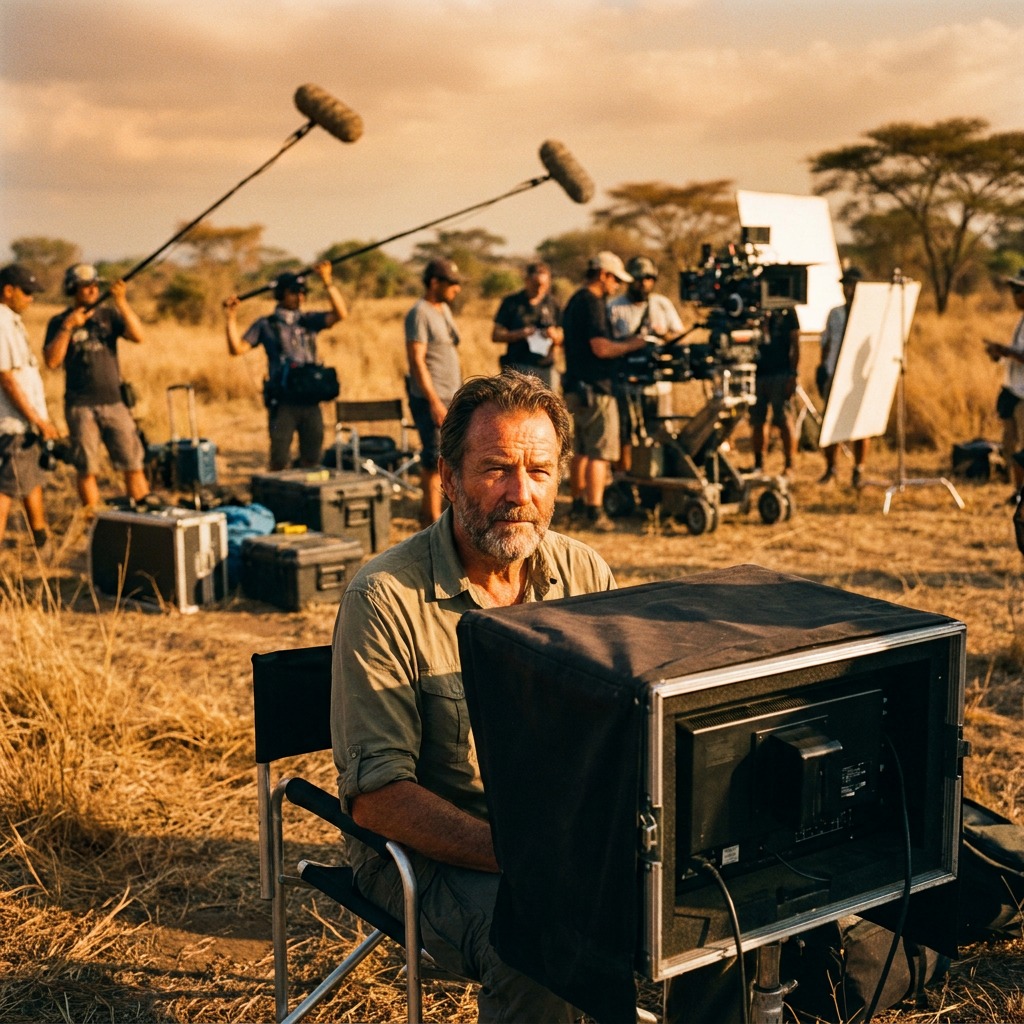
Producing a successful film requires much more than a great script and talented actors. Every memorable movie, commercial, documentary, or branded content project is the result of careful planning, professional coordination, and seamless collaboration between creative and technical teams.
Whether you’re an independent filmmaker, a production company, or an international brand planning to shoot in Indonesia, understanding the film production process can save time, reduce costs, and improve the quality of your final project.
In this guide, we’ll walk through every stage of film production and explain why thorough preparation is the key to a successful shoot.
What Is Film Production?
Film production is the complete process of creating a film, from the initial concept to the final edited version. It combines creativity, logistics, budgeting, scheduling, and technical expertise to transform an idea into a finished visual story.
A typical production consists of three main phases:
- Pre-Production
- Production
- Post-Production
Each phase plays an essential role in ensuring the project is completed on time, within budget, and according to the creative vision.
Stage 1: Pre-Production – Building the Foundation
Many experienced filmmakers agree that the success of a film is determined long before the cameras start rolling.
Pre-production involves planning every aspect of the project.
Script Development
Everything starts with a well-written script. During this stage, producers and directors review the story, identify production requirements, and estimate the overall budget.
The script determines:
- Number of shooting days
- Required cast
- Locations
- Special equipment
- Visual effects
- Production complexity
Budget Planning
Creating an accurate production budget helps avoid unexpected expenses.
A production budget generally includes:
- Crew salaries
- Equipment rental
- Transportation
- Accommodation
- Location permits
- Catering
- Insurance
- Post-production costs
Professional production companies often prepare multiple budget scenarios depending on the project’s scale.
Location Scouting
Choosing the right filming location significantly impacts the visual quality and production efficiency.
Indonesia offers extraordinary filming locations, including:
- Tropical beaches
- Active volcanoes
- Dense jungles
- Modern metropolitan cities
- Traditional villages
- Ancient temples
- Rice terraces
- Remote islands
Location scouts evaluate:
- Accessibility
- Lighting conditions
- Noise levels
- Local regulations
- Safety
- Weather patterns
Casting
Casting is the process of selecting actors who best represent the characters in the story.
Beyond acting ability, casting directors also consider:
- Screen presence
- Chemistry between actors
- Language skills
- Physical appearance
- Availability
For commercial productions, casting may also include real people, influencers, or local communities.
Scheduling
A detailed production schedule keeps everyone aligned.
Scheduling includes:
- Shooting days
- Call times
- Equipment delivery
- Travel arrangements
- Weather contingency plans
- Location availability
Good scheduling minimizes delays and improves productivity on set.
Stage 2: Production – Bringing the Story to Life
Production is the stage where filming actually takes place.
This is when directors, cinematographers, actors, and crew work together to capture every scene according to the production plan.
Camera Department
The camera department is responsible for capturing the visual elements of the story.
This team usually includes:
- Director of Photography (DP)
- Camera Operators
- Focus Pullers
- Camera Assistants
- Drone Operators
Modern productions often use cinema cameras capable of shooting in 4K, 6K, or even 8K resolution.
Lighting
Lighting shapes mood, depth, and atmosphere.
Professional lighting setups can dramatically influence how audiences perceive a scene.
Common lighting equipment includes:
- LED Panels
- HMIs
- Fresnel Lights
- Softboxes
- Reflectors
- Diffusion Frames
Sound Recording
Poor audio can ruin even the most visually stunning production.
Production sound teams record:
- Dialogue
- Ambient sound
- Foley references
- Natural environmental audio
Professional productions typically use boom microphones and wireless lavalier microphones to ensure clean recordings.
Production Management
Behind every smooth production is an experienced production management team.
They coordinate:
- Crew logistics
- Transportation
- Equipment
- Catering
- Accommodation
- Local permits
- Safety protocols
For international productions filming in Indonesia, local production support is invaluable in navigating regional regulations and cultural considerations.
Stage 3: Post-Production – Crafting the Final Film
Once filming is complete, the project moves into post-production.
This phase transforms raw footage into a polished final product.
Video Editing
Editors assemble scenes according to the script while maintaining pacing, emotion, and storytelling flow.
Editing involves:
- Scene selection
- Timeline assembly
- Dialogue refinement
- Transitions
- Rhythm adjustments
Color Grading
Color grading enhances the visual style of the film.
It helps establish mood while ensuring consistency across all scenes.
Popular cinematic looks include:
- Warm tropical tones
- High-contrast drama
- Natural documentary style
- Vintage film aesthetics
Sound Design
Sound designers add immersive audio elements that make scenes feel realistic.
This includes:
- Background ambience
- Footsteps
- Environmental effects
- Music integration
- Audio mixing
A well-designed soundtrack often has a greater emotional impact than viewers consciously realize.
Visual Effects (VFX)
Not every production requires visual effects, but modern filmmaking increasingly incorporates digital enhancements.
Examples include:
- Wire removal
- Object cleanup
- Sky replacement
- CGI elements
- Motion graphics
Why Indonesia Is Becoming a Global Filming Destination
Indonesia has rapidly become one of Southeast Asia’s most attractive filming destinations.
International filmmakers are drawn to the country’s incredible diversity of landscapes, rich cultural heritage, and experienced local production professionals.
Advantages of filming in Indonesia include:
- Diverse natural locations
- Year-round tropical climate
- Skilled local crews
- Competitive production costs
- Unique cultural settings
- World-famous destinations like Bali, Komodo, Raja Ampat, Java, Sumatra, and Borneo
With the right production partner, international filmmakers can efficiently manage permits, logistics, transportation, local talent, and remote-location challenges.
Tips for a Successful Film Production
Regardless of the project’s size, following these best practices can improve production quality:
- Invest more time in pre-production planning.
- Build a reliable production team.
- Prepare backup plans for weather and logistics.
- Prioritize clear communication among departments.
- Allocate sufficient budget for post-production.
- Respect local communities and environmental regulations when filming.
Conclusion
Successful film production is a combination of creativity, planning, teamwork, and technical expertise. From script development to final color grading, every stage contributes to creating a compelling visual story.
For international productions planning to film in Indonesia, partnering with an experienced local production company can simplify complex logistics, secure filming permits, and provide access to professional crews and breathtaking locations across the archipelago.
Whether you’re producing a feature film, television commercial, documentary, branded content, or digital campaign, careful preparation and the right production support will help bring your creative vision to life.